



A different way of working: The Tioga County story
As a small, rural county, Tioga might not be the first place people expect to see innovation taking the lead. But its seamless adoption of tools like Beam has challenged the assumption that meaningful innovation only happens in large, well-resourced communities.
Tioga County is one of Pennsylvania’s largest counties by land area and one of its smallest by population. Caseworkers at Children & Youth Services in Wellsboro can drive an hour and a half and still be inside the county line, past stretches where the cell signal disappears.
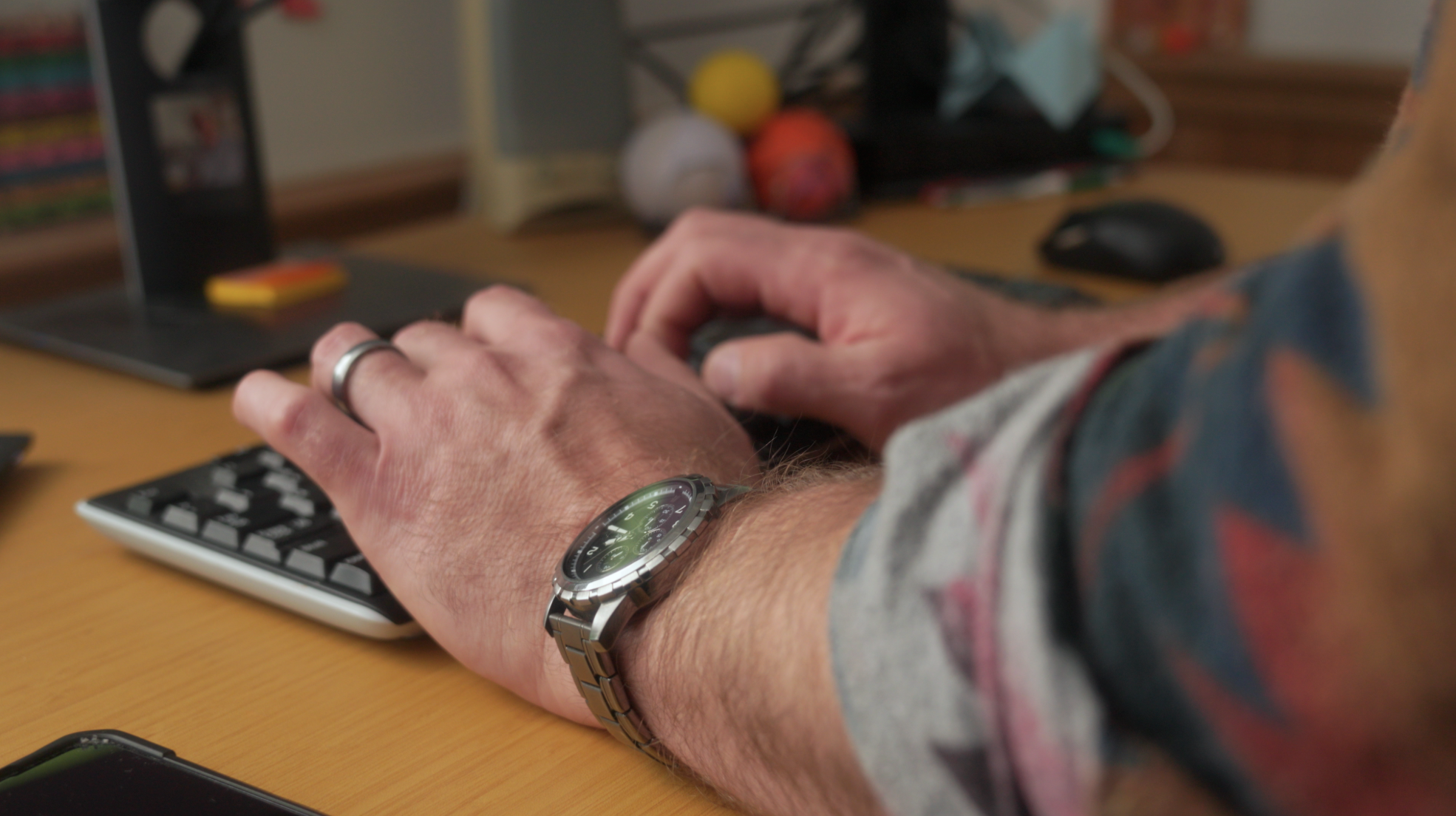
Every visit, call and text still has to be written up. “You would do a 1-hour visit and you would be typing up a note trying to remember everything from that visit for another hour,” said Shawn Mayo, Screening Supervisor.
As a small, rural county, Tioga might not be the first place people expect to see innovation taking the lead. “We don’t generally pioneer things,” says Mary Wilson, Administrator. But its seamless adoption of tools like Beam has challenged the assumption that meaningful innovation only happens in large, well-resourced communities.
The challenge
Notes as long as the visits
Before Beam, a one-hour visit could mean another hour of typing, often hours later, from handwritten scribbles and memory. In a pre-pilot survey, 78% of staff said a single note took 20-30 minutes, and some spent an hour.
Backlogs and late nights
Notes are due within 30-60 days, but they piled up. “Sometimes workers can be 6 months, 7 months behind, and it’s very difficult,” says Cody Losinger, Northern In-Home Supervisor. 28% of caseworkers said they often worked after hours on documentation, and ahead of audits some staff pulled all-nighters to catch up.
Staff turnover
Leaders said the weight of documentation was one of the main reasons caseworkers left, including some of the best in the field. “One of the main reasons staff leave is the heaviness of the workload, the heaviness of the documentation,” says Jenny Harmon, Director of Children & Youth. “When you’re here doing your paper, you can’t be out in the field seeing the families, and that needs to be our priority.”
The pilot
Tioga piloted Notes with 80 users across its Children & Youth units, including screening, intake, ongoing and placement, plus the supervisors who review their work.
The impact
Under 20 minutes per note
96% of caseworkers now complete a note in under 20 minutes, down from 20-30+ before the pilot. “It has saved me so much time that I have been able to get a lot of the stuff that I was behind on caught all up,” says Sandy Gales, Caseworker.
Same-day notes
71% of caseworkers submit notes the same day more often than before. Supervisors now see notes arriving daily rather than in one overwhelming pile. “I see notes being turned in daily, multiple times a day,” says Losinger. That means supervisors can read notes right away, which matters when a situation involves law enforcement, foster care and several agencies at once.
More time for families
The team can now be present with the people they’re helping. Nancy Ginelli, Ongoing Caseworker said families liked the tool too. “They like the fact that they’re being heard, and it’s exactly what they said, not the interpretation of what I thought they said,” Ginelli says.
Quality and accuracy improved
Caseworkers described catching details they would otherwise have missed, and being able to go back to the transcript and recording to check. “It catches things that I might have missed, because I’m human and I don’t always write things down,” says Gales.
Mayo remembers a caseworker who thought Beam had made something up. They pulled the timestamp and listened to the recording, and the father had said that exact sentence. Neither the caseworker nor the supervisor, both of whom were in the room, could remember it. “How many things have we done for years past where we forget minute details or big details?” he asked.
Stress and after-hours work fell
79% said their stress around documentation was better, and 52% said they never work after hours with Beam.
Caseworkers want to stay
93% are likely to keep using Beam after the pilot. Supervisors said it could have changed retention if they’d had it sooner. “If we had had this software and we’d had this system in place years ago, we would have held more staff,” says Losinger.
A level playing field for every writer
Leaders said Beam helps caseworkers who are strong in the field but find writing harder. “You have staff that can be really good with writing and really good face-to-face. I think this allows everybody to come from the same place,” says Harmon.
Beyond case notes
Tioga teams also started using Beam Build on large case files. They use it to summarize hundreds of pages of family history when a case transfers in from another county, build court timelines, and prepare transfers between units. “That would typically take me all day, and now I can just do it in a matter of minutes,” says Mayo.
Proof that any county can do it
Wilson’s advice to other counties is simple: “Do not hesitate, just do it.”
Book a demo to see what same-day notes could look like in your county.