




.svg)





Julian's story: What it’s really like to be an engineer at Beam
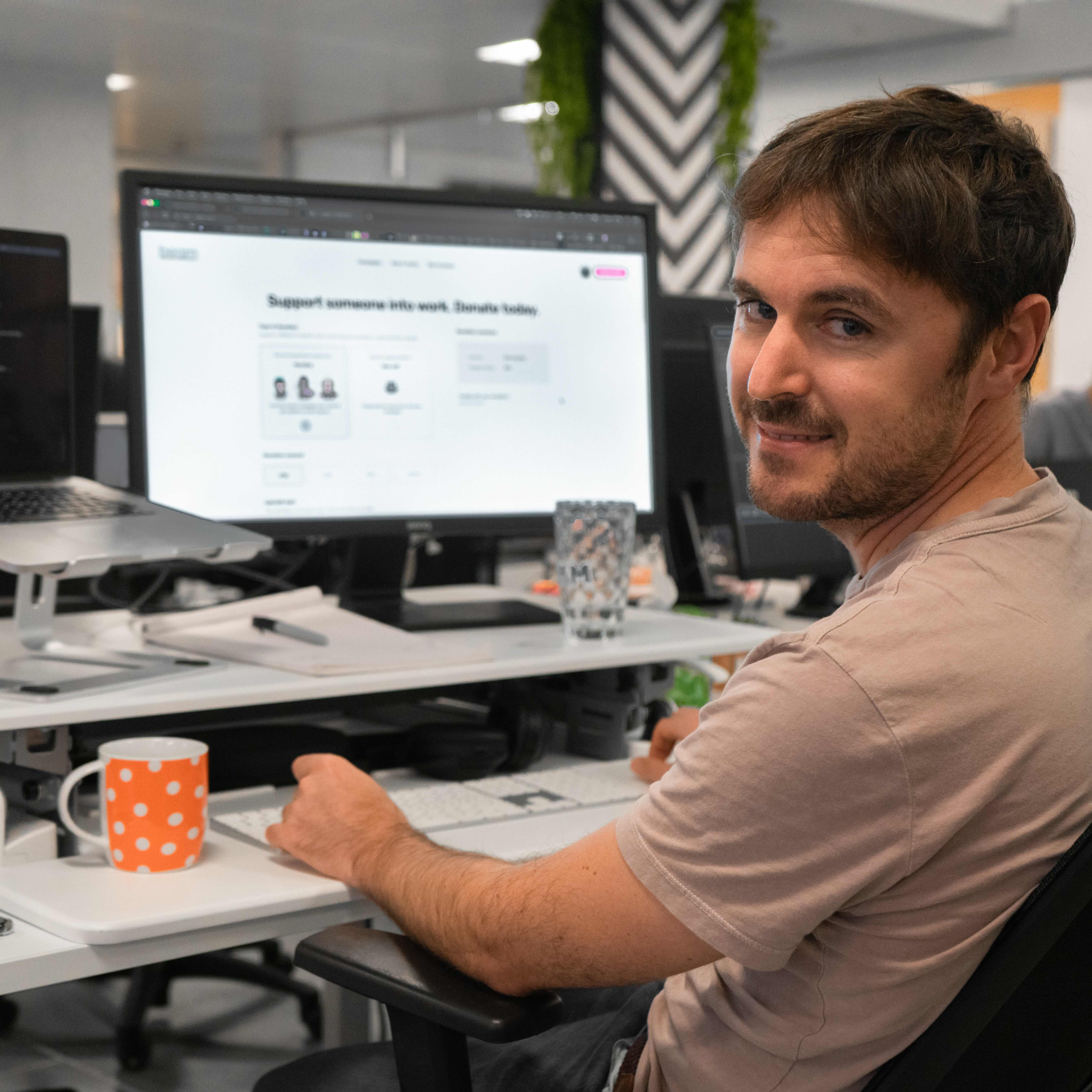
We caught up with our Principal Engineer Julian Keenaghan, who joined Beam back in 2018 as employee number 3. For many years, Julian was a one-man tech and product team, which has since grown to more than 15 people. Based in Ireland, he now leads the technical development of Notes.
Take us back to 2018. What was it like being a one-man engineering team?
It was fun! Because the company was so small in those days I inevitably had a lot more insight into what was going on throughout the company and could see different ideas take shape. At that stage there is so much to be decided from the point of view of product, technology and even business model so you can have a lot of input into getting the foundations right.
What are you most proud of building in those early days?
The first product we worked on was the Beam crowdfunding website. We tried hard to make it as easy as possible for people to make donations and to get updates from the people they supported as they made their way into new employment opportunities. We had a feed of updates from beneficiaries which allowed supporters to post encouraging comments. It was inspiring to see these journeys and that a relatively small contribution could make a difference
Was there a moment when you realised Beam was going to grow into something much bigger?
In 2022 we achieved the milestone of supporting 1,000 people into either new jobs or homes which was huge, particularly when you consider the families and others involved who may have benefitted. Launching Magic Notes (now “Notes”) in 2024 was another pivotal inflection point in the life of the company.
What makes building AI for frontline services different from building AI in other industries?
As users have come to depend on our products it’s been essential to keep in mind how critical they are to them and their workflows. We’ve had to do a huge amount of work to add robustness and reliability to all areas in order to instil confidence in users that they trust us and the product. We’re not building a “nice-to-have” tool. It needs to deliver for users.
What guardrails or principles have guided you as we’ve built AI products?
It’s been important to try to think of things from first principles as AI can redefine what kind of products you can build in the first place. It shouldn’t just be a bolt-on. We should lean into the power of these new platforms. Bearing that in mind, it’s essential to be as transparent as possible with users as to their data, how it was generated and why.
When did you first feel the real-world impact of your work?
Hearing the stories of early beneficiaries in person when they would come to visit in our office, and the impact that Beam had had on their lives was an unforgettable reminder of the impact of our work.
What advice would you give to someone joining as an engineer today?
Take your time to talk to as many people in different roles as you can. You’ll get so much insight from people who are working directly with customers, users and beneficiaries as to the value our products and services bring and how you can make an impact. It’ll also keep you closer to the “why” of the role which is something engineers can sometimes become distant from.
What excites you about the year ahead?
It’s a hugely exciting time in the space in general and a privilege to be in a position where we can take advantage of the opportunities available to us to support people to do great work and support others. Expanding the service internationally has been a goal from the early days of Beam and it’s amazing to see us making inroads in new geographies and the reception we are getting there.
How has Beam changed you as an engineer or as a person?
Knowing the real-world impact of your work has led me to be more deliberate and thoughtful in my work for sure. Being surrounded by colleagues who are so mission-driven and creative has definitely rubbed off on me in more ways than one too.
Interested in becoming an engineer at Beam? Check out our open roles here.

.gif)


